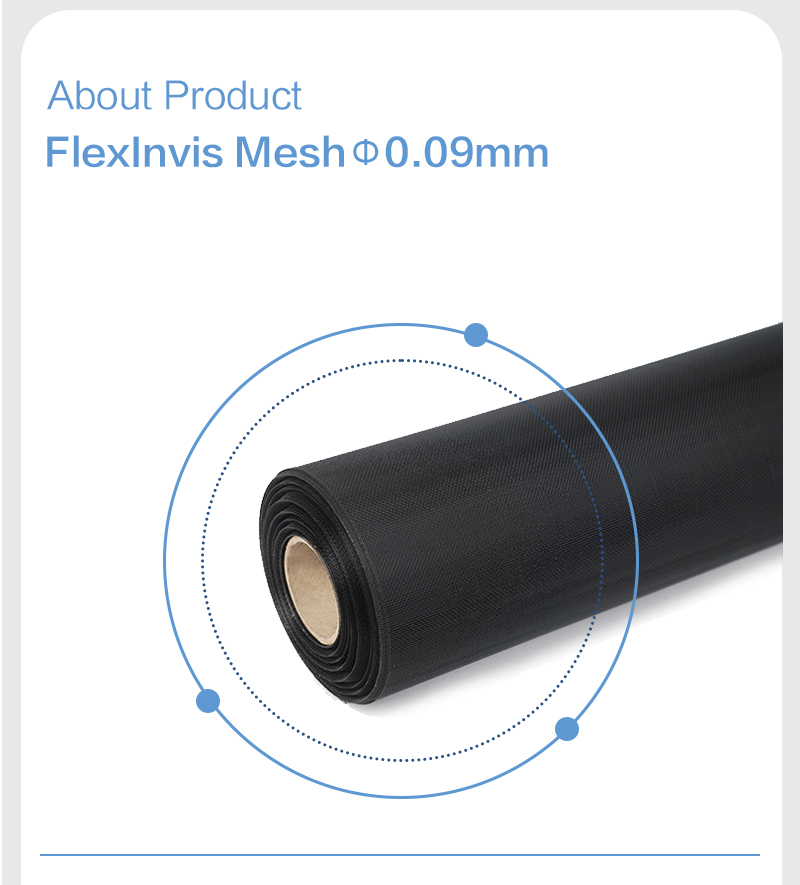
Standard 304 flexible mesh is facing a crisis of trust in practical applications. Today, we unveil the truth behind 304 and 316 stainless steel flexible mesh from the perspectives of material science and manufacturing.
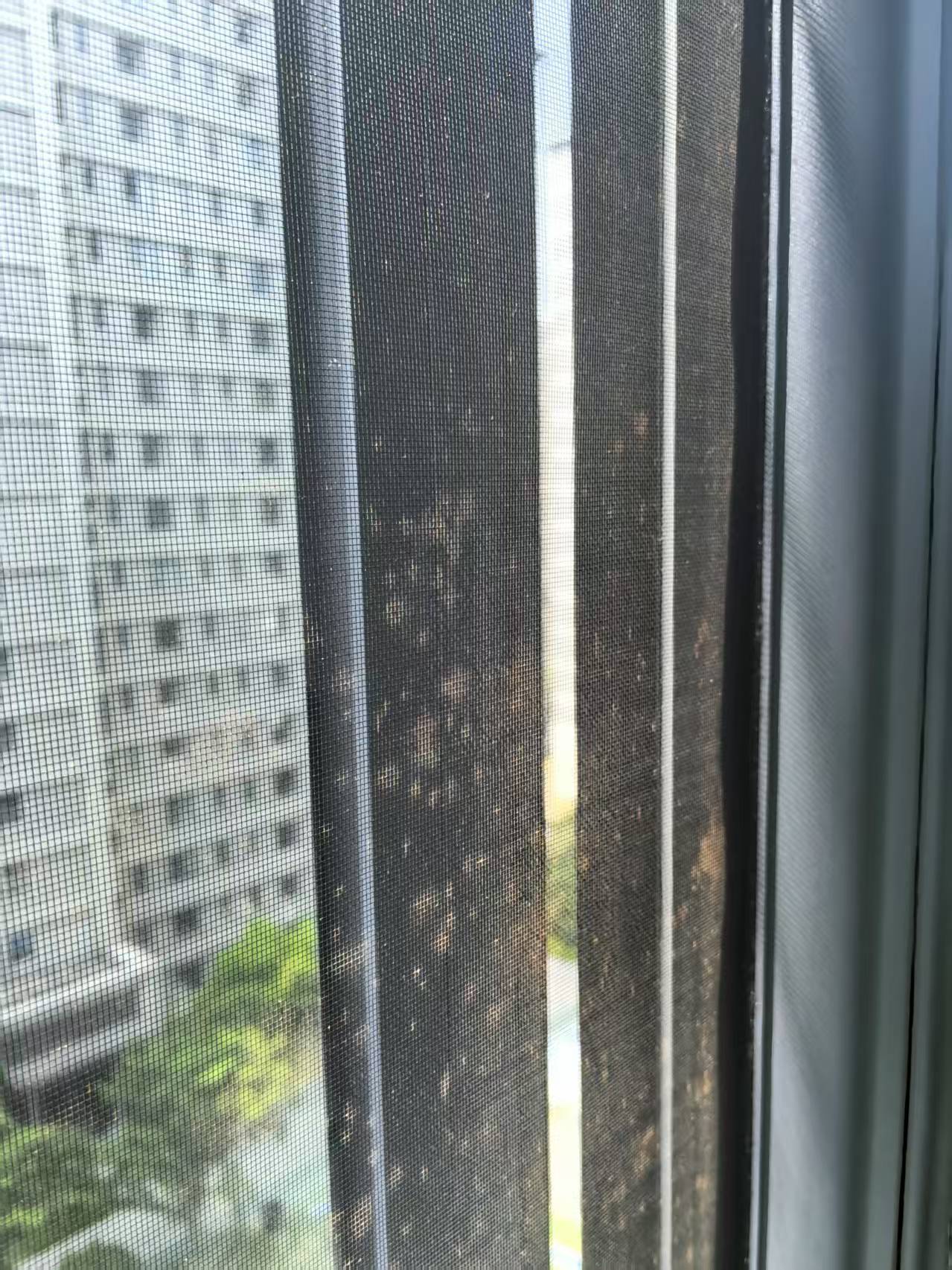
I. The "Rust Trap" of 304 Steel: Corrosion is Not Accidental
Many users mistakenly believe that all "Stainless Steel" is immune to rust. In reality, material selection depends heavily on the environment.
1. The Fatal Weakness in Coastal Areas
304 stainless steel performs adequately in inland areas, but its resistance to chloride ions is insufficient for high-salinity, high-humidity coastal environments. Industry Feedback: In many seaside projects, 304 mesh develops "rust spots" within six months, leading to brittle wires and structural failure.
2. The "Noble Gene" of 316 Flexible Mesh
In contrast, 316 stainless steel is enriched with Molybdenum (Mo), providing exceptional pitting and oxidation resistance. Whether facing salty sea breezes or acid rain, 316 flexible mesh maintains a pristine appearance for over a decade. It is the ultimate low-maintenance solution for high-end homeowners.
II. Technical Dimension: Balancing Elasticity and Flatness
Beyond chemical stability, the physical workability of the mesh dictates the quality of the final installation.
1. The "Rigidity" Issue of 304 Steel
304 material has a high work-hardening rate, resulting in excessive wire elasticity. During weaving and stretching, this leads to:
Uneven Surface: High tendency to form wavy patterns, making it difficult to achieve perfect flatness.
Installation Barriers: The mesh is often too stiff for technicians, leading to assembly fatigue and a higher risk of the mesh popping out of the frame grooves.
2. 316 Steel: The Perfect Blend of Strength and Flexibility
Processed through precision annealing, JI'AN 316 flexible mesh maintains high strength while offering superior ductility:
Mirror-like Flatness: Uniform tension ensures the mesh remains as flat as a mirror, making it a perfect match for minimalist narrow-frame windows.
User-Friendly Operation: Optimal flexibility makes cutting and pressing effortless, significantly increasing installation efficiency and qualification rates.
III. Why JI'AN MESH Insists on 316 Grade?
Despite the price war in the 304 market, JI'AN MESH adheres to the philosophy that "Quality Value Outweighs Price Bidding."
Responsibility to High-end Clients: We ensure that a mesh screen never becomes the "weak link" in a luxury villa's architectural quality.
Empowering Partners: By optimizing material performance, we reduce construction difficulty, helping our partners minimize after-sales complaints and rework costs.
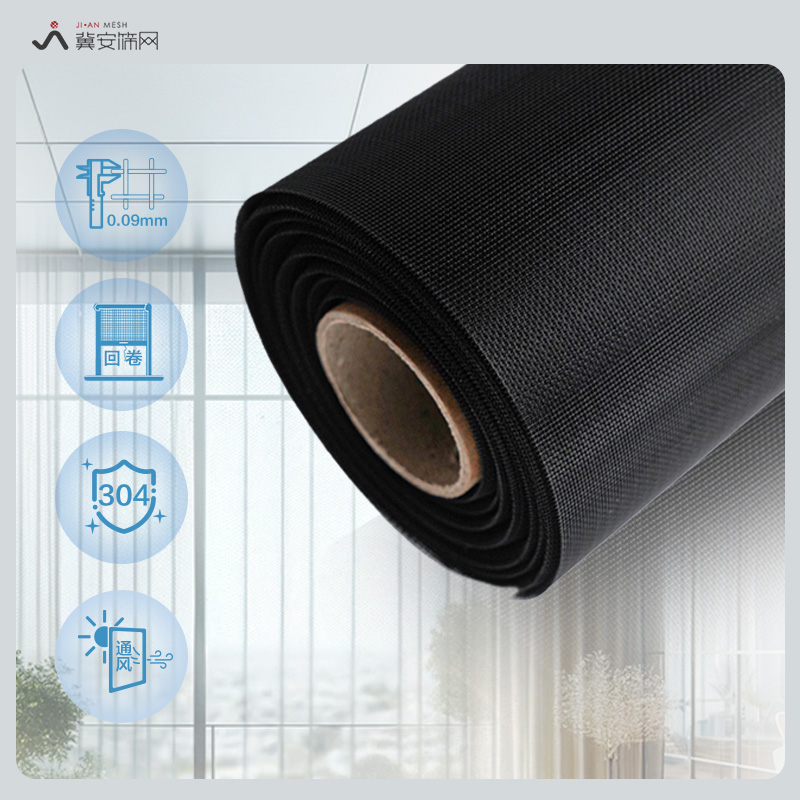
IV. Core Specification Comparison (SEO Data)
| Feature | 304 Flexible Mesh | 316 Flexible Mesh |
|---|---|---|
| Chemical Comp. | Cr18-Ni8 | Cr16-Ni10-Mo2 (With Mo) |
| Corrosion Grade | Standard (Non-Marine) | Extreme (Marine Grade) |
| Physical Feel | Rigid, High Spring-back | Tough yet Flexible |
| Visual Result | Potential Wavy Surface | Perfectly Flat |
Choosing 316 flexible mesh from JI'AN MESH is an investment in long-term excellence. Don't let market chaos cloud your judgment. Contact us today for professional samples and experience the premium texture firsthand.